
On Fifth Avenue with Brothers for Life
David Shusterman marches in the 2026 Israel Day Parade with Brothers for Life, reflecting on the visiting injured soldiers, the crowds and a day of solidarity.
From inside the parade, Fifth Avenue looked unusually open. Barricades separated the procession from the sidewalks, and along some stretches the space where I expected a crowd was strikingly quiet. Then the view changed: spectators gathered beyond the barriers, flags rose above the blue-and-white bunting, and the avenue became a place of recognition and celebration.
I marched in New York’s Israel Day on Fifth on May 31, 2026, alongside a group supporting Brothers for Life, the organization created and run by injured Israeli veterans to help others recovering from combat injuries. I came with my friend Harley Lippman, founder and chief executive of the technology workforce company Genesis10 and a supporter of the group. For me, the day’s meaning was closely connected to the soldiers who had traveled from Israel to take part.
The people behind the banner
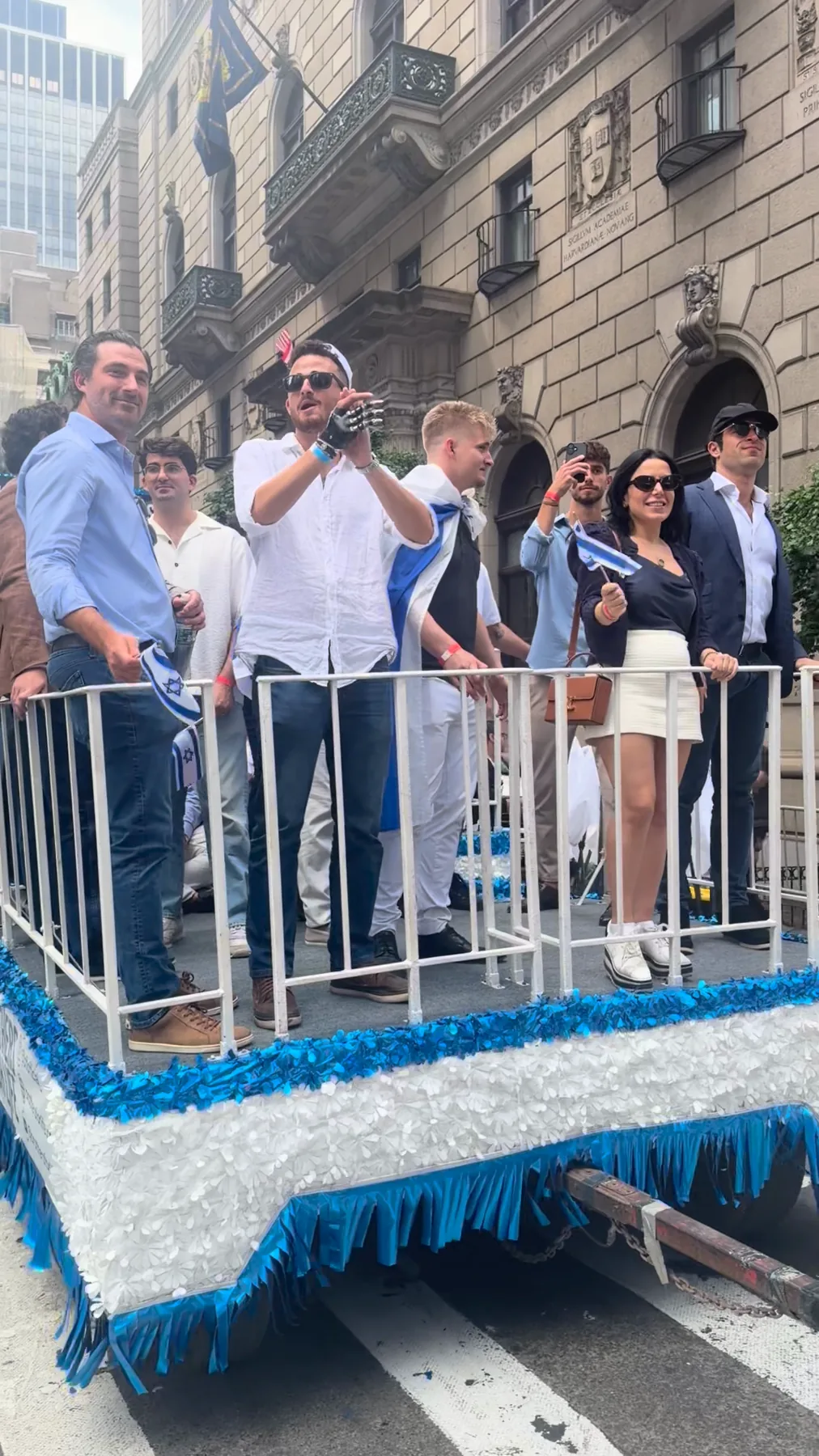
Our visiting group included about ten injured soldiers. At a related fundraising gathering, I had heard their accounts of the attacks they survived and the acts of courage that helped them come through. Those encounters gave the parade a personal weight. These were people whose experiences we had listened to, now joining us on a familiar New York street.
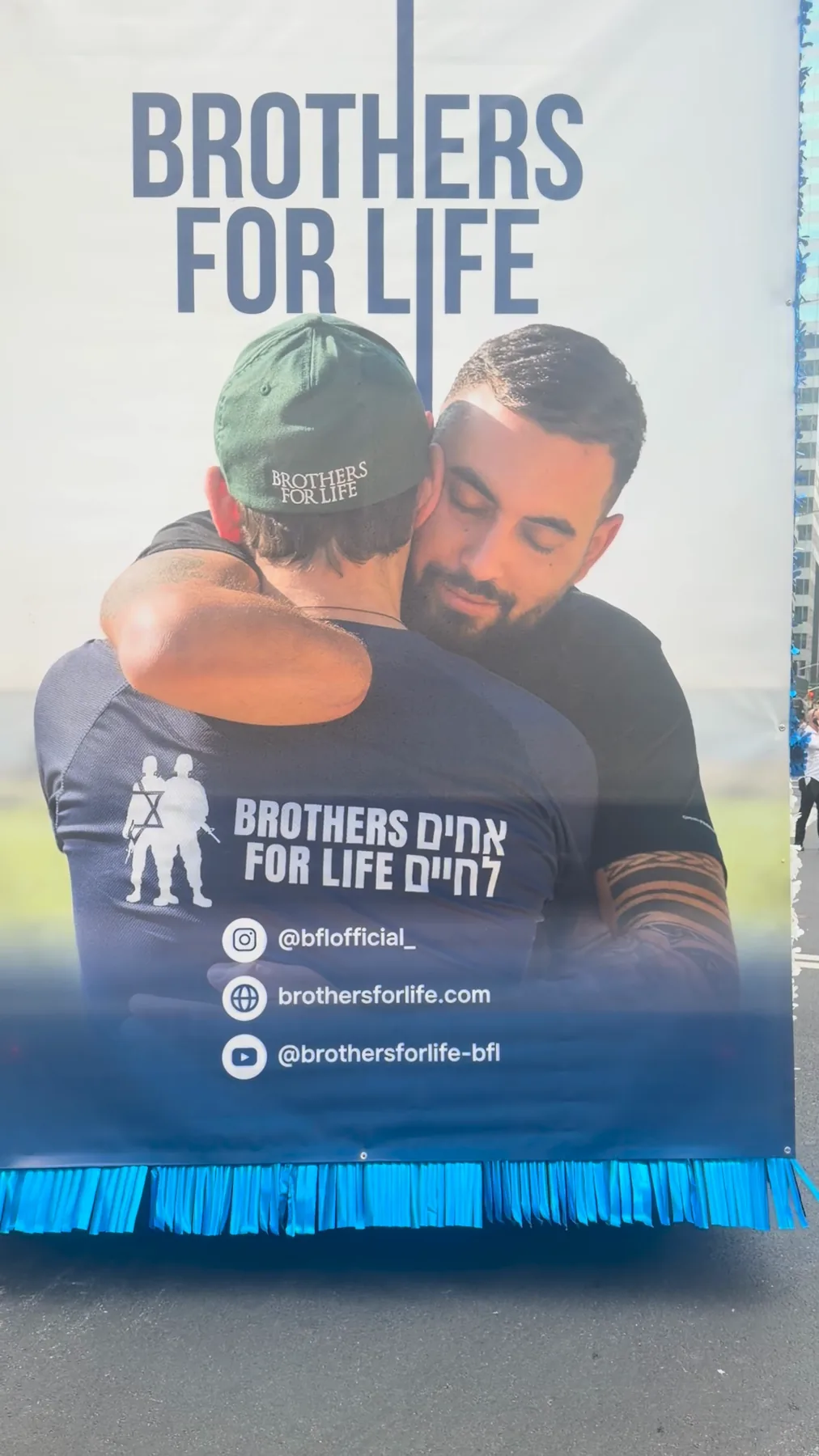
The Brothers for Life float made that connection visible. Blue-and-white fringe lined its sides; the organization’s name stood prominently on a tall banner. People aboard waved and clapped as the vehicle moved through the city. Walking alongside, I could photograph both the float at close range and its place within the larger procession.
There was pride in accompanying the group. Supporting injured soldiers can sound abstract until you meet the people involved and hear something of what recovery has required. Seeing them here, taking part in the celebration, was one of the day’s most meaningful experiences.
Alongside Brothers for Life
The delegation’s float and banner in the Manhattan procession.
The float in motion
May 31, 2026 · Silent video by David Shusterman. Open video
Video and selected video stills by David Shusterman.
A different view of Fifth Avenue
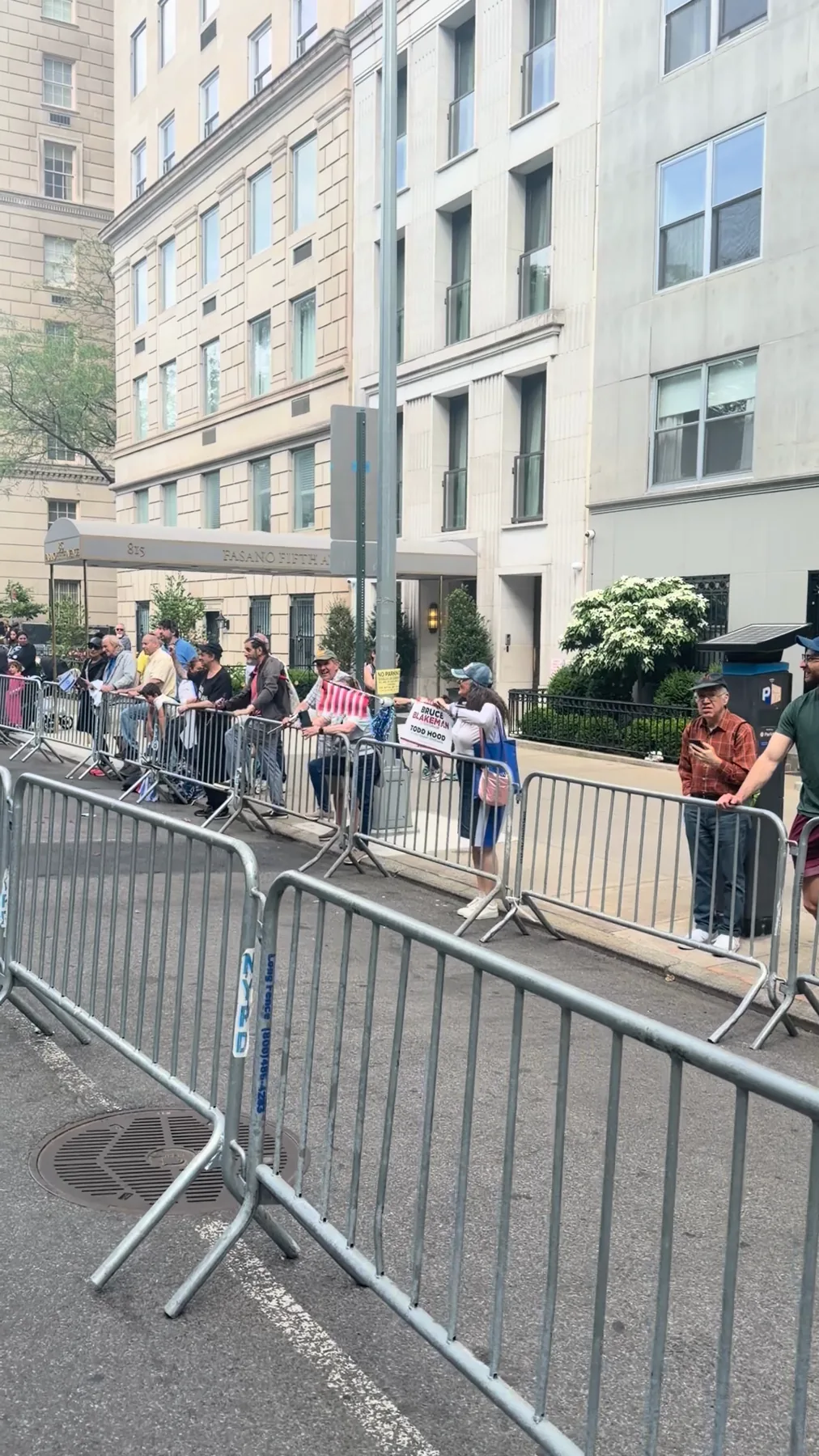
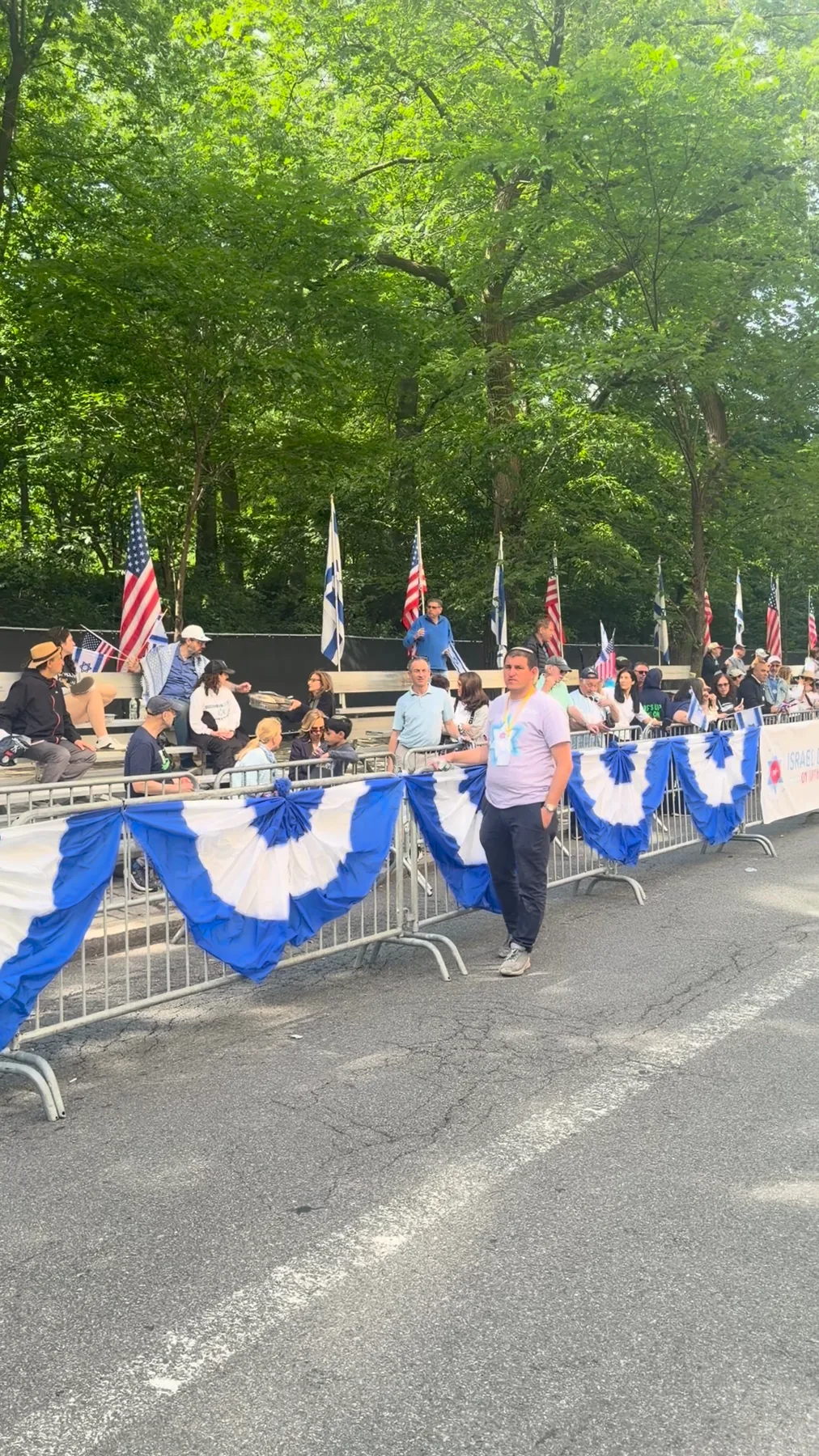
A parade usually offers a simple exchange: marchers move along the street while spectators line its edges. From where I walked, that relationship varied considerably. Some approaches were cordoned off, and portions of the route appeared sparse. I saw people watching from windows and other vantage points. Farther along Fifth Avenue on the Upper East Side, more spectators gathered, though the barricades and security presence remained conspicuous.
The organizer’s 2026 event announcement had advertised limited spectator areas on a first-come basis. The published route ran from 62nd to 74th Street, with the parade scheduled from 11:30 a.m. to 4 p.m. Walking within the procession made those managed viewing spaces tangible: the distance between the moving float and the people watching became part of the experience.
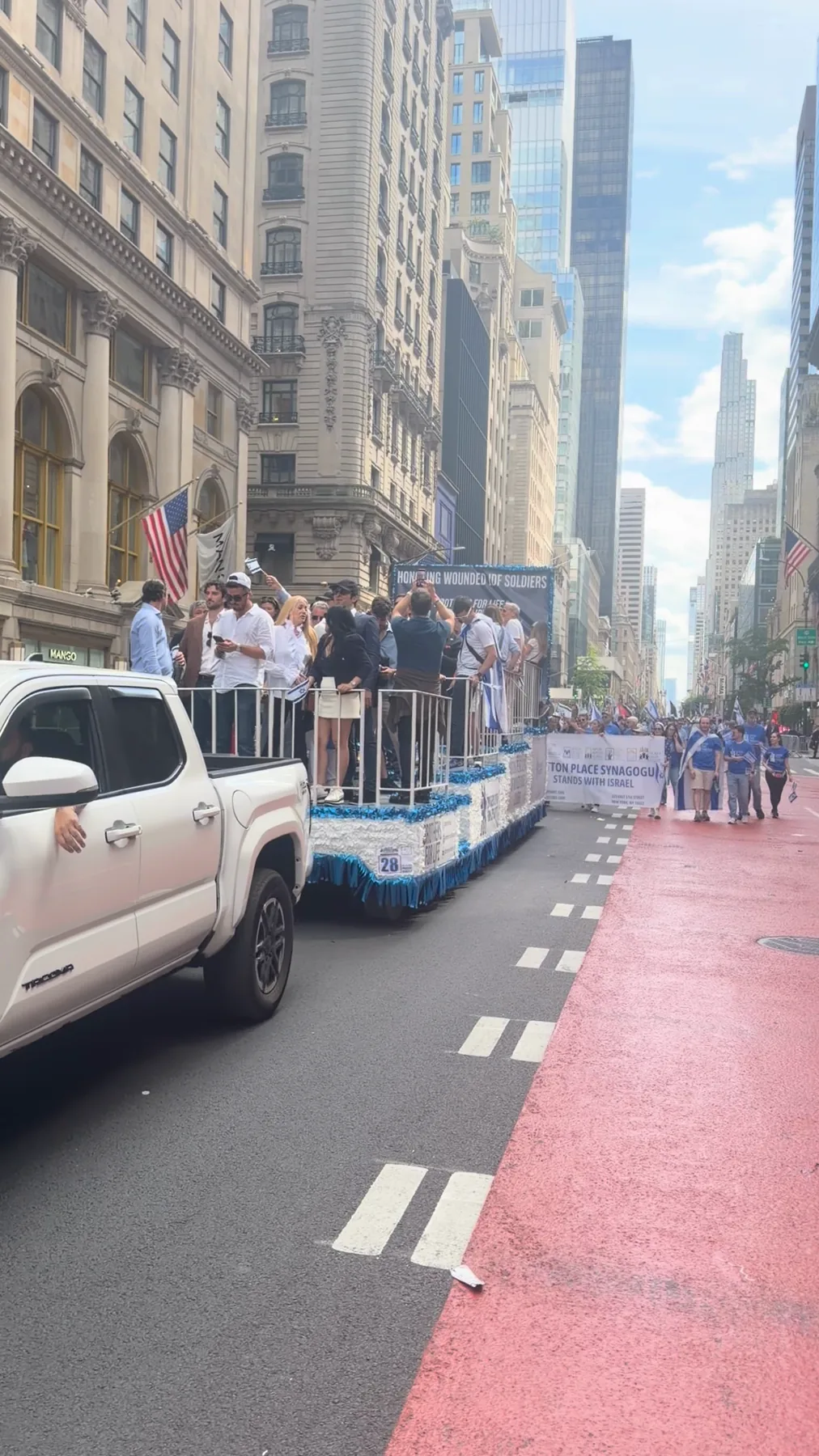
My footage follows those changes. One view places the truck and float between tall buildings; another opens onto a tree-lined stretch of the avenue. In closer frames, the metal barriers run across the foreground, with spectators just beyond them. American and Israeli flags appear together along the route.
I found the extent of the security sobering. I wished a celebration of heritage, community and friendship between the United States and Israel could feel more open. Among the people I accompanied, the purpose was affirmative: to celebrate, to stand with one another and to support those rebuilding their lives after injury. That sense of solidarity was what I wanted the pictures to convey.
The work that continues after the march
Brothers for Life’s work extends well beyond a visiting delegation. Its peer-support approach puts injured veterans in contact with others who understand aspects of their experience firsthand. The organization’s programs include hospital visits, financial assistance, support related to PTSD, family counseling, and academic and vocational help. Those different forms of assistance reflect how broadly an injury can affect daily life, family relationships and future plans.
The organization traces its beginnings to the connection between injured veteran Gil Ganonyan and Rabbi Chaim Levine, followed by the development of a veteran-to-veteran support network. Its board is chaired by Cliff Greenberg. Readers who want to learn more or contribute can explore its ways to give and the individual programs described on its website.
That continuing work gives a day like this its lasting significance. The float, flags and procession make the cause visible in public; the practical support continues when the streets reopen and the visitors return home.
From inside the procession
Fifth Avenue, its spectators and the view from the route.
Along the avenue
May 31, 2026 · Silent video by David Shusterman. Open video
May 31, 2026 · Silent video by David Shusterman. Open video
Video and selected video stills by David Shusterman.
What stays with me
Looking back through the footage, I return to the people on the float and the spectators greeting them from the sidewalks. The changing streetscape explains how the day felt, but those exchanges explain why being there mattered.
I was proud to march with the group and grateful to have met the visiting soldiers. Their presence brought the work of Brothers for Life into focus. On an avenue separated by barriers, there was still room for a shared gesture of encouragement—and for New York to welcome them.
Keep reading
Galas · New York
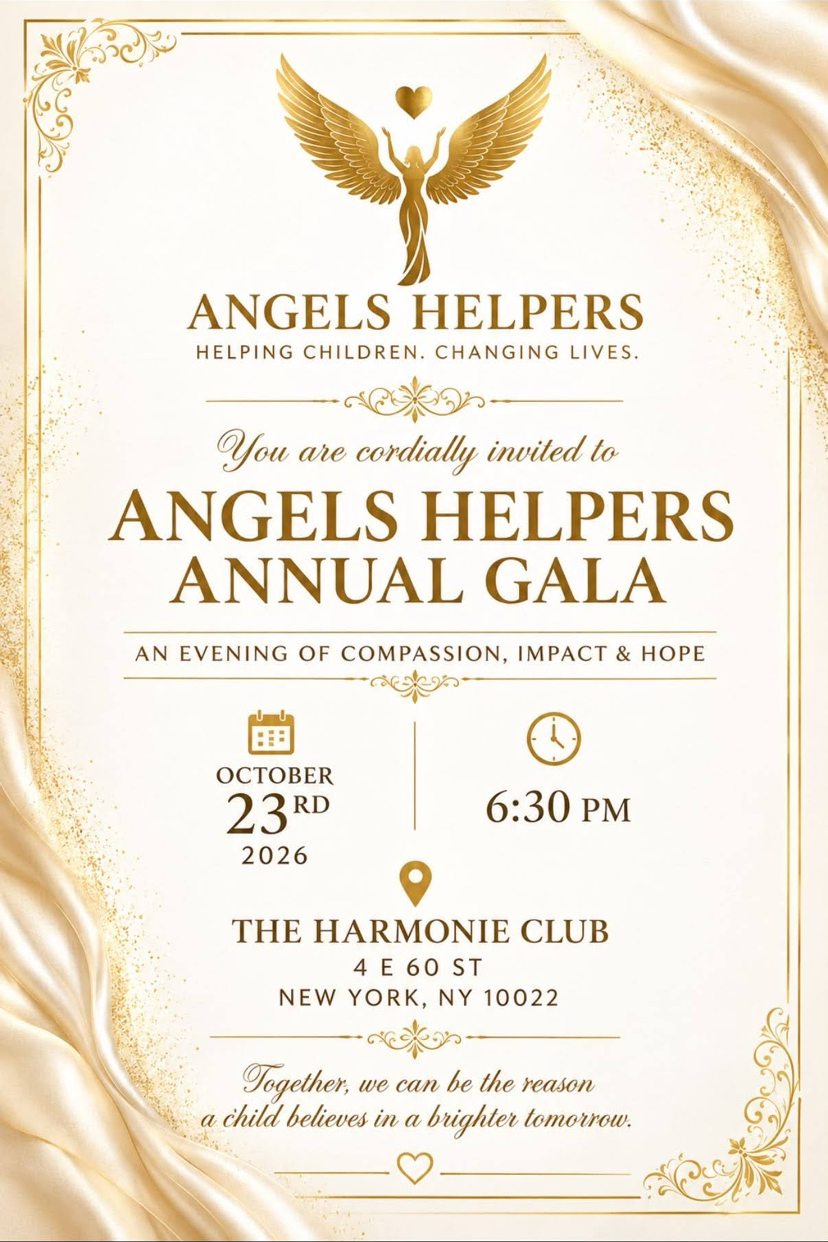
Art With Purpose: Angels Helpers Brings Artists Together at the Harmonie Club
Alisa Roever’s October 23 gala at the Harmonie Club brought together a Ross Pino-curated art auction and a Valerian Hughes fashion presentation for children’s arts and education.
Save the dates
Israel Day on Fifth 2026
Time unconfirmed: saved as an all-day event. Calendar save only; book admission separately.
Places · New York
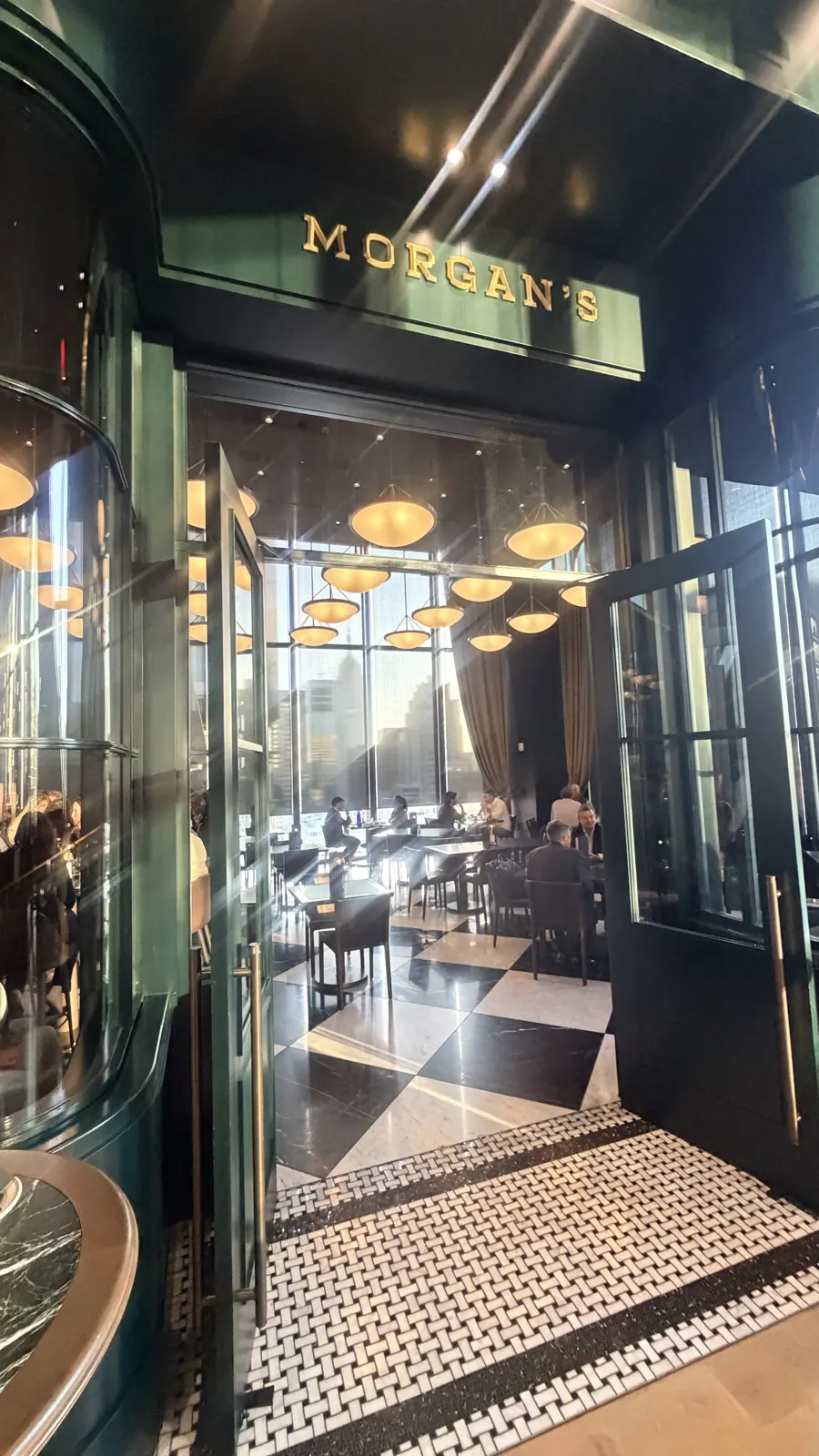
Inside 270 Park Avenue: Morgan’s, a Miniature Tower and a Different Kind of Workday
A look inside JPMorganChase’s Manhattan headquarters: Morgan’s, the dining spaces and a miniature tower, with photographs and silent films from our visit.

Art & Culture · North Miami
MOCA North Miami Opens Art Week With Geoffrey Holder's 'Black Magic'
On Tuesday, December 1, the Museum of Contemporary Art North Miami celebrates the first museum survey of Geoffrey Holder's visual art with a two-part Miami Art Week reception: an invitation-only…