
New York’s Young Patrons: Which Cultural Circle Is Right for You?
Five ways into the city’s cultural life, compared by cost, age, company and the evenings that membership actually includes.

Choose the calendar you will use
A museum membership can be a practical purchase: admission, a guest and a reason to return. A young-patrons membership asks a different question. Do you want to spend part of your year with this institution—with its curators, its collection and the other people supporting it? The right answer has more to do with an ordinary evening than with one photograph of a spectacular ball.
Start with the subject you would gladly discuss after a long working day. Literature, contemporary collecting, American art and the Frick’s paintings lead to different kinds of company and different kinds of programming. A higher contribution can buy additional access, but it does not make every additional benefit useful to every member. Our comparison concentrates on published terms and the character of the programs, rather than making promises about whom you will meet.
The comparison
| Circle | Published annual price | Eligibility | The strongest reason to consider it |
|---|---|---|---|
| NYPL Young Lions | $400 starting level | People in their 20s and 30s | Literature, author conversations and research-library access |
| Morgan Young Fellows | $550 individual; $750 dual | 21–39 | Books, drawings, manuscripts and small-scale cultural programming |
| Whitney Contemporaries | $750 for two; Patrons $1,250 for two | 21–40 | American art, studio visits and curatorial discussion |
| Frick Young Fellows | $750; Contributing $2,250 | Base 21–39; Contributing 21–45 | Collection-centered evenings and the Spring Garden Party |
| Guggenheim Young Collectors Council | $1,750 | 21–40 | Contemporary art and involvement with collecting |
Published prices. Compare annual rates directly; installment plans, introductory promotions and event tickets can have different terms.
The cost for one person—and for two
The headline contribution does not always describe the same purchase. Whitney’s $750 Contemporaries rate covers two people. If both use it, that is $375 per person annually. The Morgan’s $750 dual rate produces the same arithmetic, compared with its $550 individual membership. A couple deciding between them should therefore begin with the program, not assume that the higher headline number means a more expensive experience.
Use a simple personal budget: the membership contribution, the separately ticketed benefit you intend to attend, and the extra programs you expect to book. A membership with a gala discount may still cost more over the year than a different circle with the evening you want already included. The published base rates in our table are starting points, not estimates of your total social spending.
For an illustrative budget, a $750 contribution spread across six evenings works out to $125 per evening; across twelve it is $62.50. That calculation excludes separately purchased tickets and gives no value to museum admission, guest privileges or the contribution’s charitable purpose. It is a way to test your own likely use, not a claim that a program guarantees six or twelve events.
NYPL Young Lions: for people who want the conversation to begin with a book
The entry level is especially interesting for readers who want a cultural community without committing to a museum patron’s four-figure contribution. NYPL publishes a $400 starting membership and describes author conversations, curator-led access to its research libraries, the Young Lions Fiction Award ceremony and other gatherings.
The appeal is intellectual continuity: reading a writer before hearing them, learning why an archive matters, and returning to conversations that continue beyond a single party. Higher contribution levels should be compared on their own terms. Do not equate joining Young Lions with receiving a seat at Library Lions or an automatic ticket to every benefit associated with the Library. Check the exact event’s admission terms. For someone primarily interested in books, we would begin here before paying for a more visually spectacular but less personally relevant program.
Membership details and joining information
The Morgan: an intimate scale, with separate gala tickets
The Morgan lists Young Fellows for ages 21–39, at $550 for an individual or $750 for a dual membership. Its published benefits include year-round admission, dedicated Young Fellows events, selected exhibition receptions and discounted tickets to the Winter Gala and Summer Soirée. That last distinction matters: a discount is not an included ticket.
This is the circle to investigate if drawings, manuscripts and the history of ideas hold your attention. The collection gives conversation a natural starting point, even when you arrive alone. Before joining, ask for the coming season’s schedule and which excursions carry additional charges. A dual rate can be attractive for two people who will both attend; it is less useful if the second member has little interest in the program.
Membership details and joining information
Whitney Contemporaries: a clear proposition for two
Whitney Contemporaries costs $750 for two people, ages 21–40. The museum describes studio visits and conversations with curatorial staff. The $1,250 Patrons level adds opportunities including private collection visits, an annual field trip and invitations for two to major exhibition VIP opening receptions.
The published admission benefits also distinguish accompanied guests: two at the Contemporaries level and four at Patrons. These are useful everyday benefits, not just names on a membership chart. Our recommendation is to compare the two levels against how you actually visit. If you regularly bring friends and want the additional opening receptions, Patrons deserves consideration. If studio visits and discussion are the main attraction, the base level already addresses that interest.
Membership details and joining information
Frick Young Fellows: the collection comes first
The Frick’s published base Young Fellow rate is $750 for ages 21–39. It includes dedicated programs, an invitation for two to the Spring Garden Party and the opportunity to purchase Young Fellows Ball tickets. Contributing Young Fellow, at $2,250 for ages 21–45, adds benefits such as special exhibition openings, director events and opportunities to participate in benefit committees.
The strongest case for joining is sustained engagement with the collection: returning to paintings and objects, then seeing them through a curator’s explanation. The Garden Party is a meaningful included occasion, but the Ball remains a separate purchase. Choose the higher level for the additional institutional involvement you want, not simply because its title sounds more prestigious. Compare current annual terms with any introductory offer before enrolling.
Membership details and joining information
Guggenheim YCC: for a closer look at collecting
The Guggenheim lists its Young Collectors Council at $1,750 for ages 21–40. Alongside curator-led programs, artist interactions and collection visits, it describes participation in twice-yearly meetings connected with acquiring emerging contemporary art for the museum.
That acquisition component distinguishes the proposition. It offers a way to learn how a work enters an institutional collection, rather than simply to see art after public hours. Readers considering the commitment should ask what participation involves, how often they can attend and which special events have separate tickets. For the culturally curious person beginning to think seriously about collecting, this is a particularly relevant conversation to have.
Membership details and joining information
Our picks by interest
| If your priority is… | Start by comparing… | The deciding question |
|---|---|---|
| Books and conversations | NYPL and the Morgan | Would you attend the literary or collection program even without the reception? |
| A membership for two | Morgan dual and Whitney Contemporaries | Will both members use the calendar regularly? |
| American art and studio visits | Whitney Contemporaries | Does the base program cover your interests before you upgrade? |
| Old Masters and collection study | Frick Young Fellows | Do you want the collection-centered program as well as the Garden Party? |
| Learning about institutional collecting | Guggenheim YCC | Can you participate consistently enough to justify the larger commitment? |
These are editorial starting points, rather than a single winner. A collector’s program and a literary circle solve different problems. Someone who reads widely but rarely visits a contemporary exhibition may find considerably more value in the smaller financial commitment.
What an invitation actually includes
An invitation to an opening, access to a presale and a complimentary admission are three different benefits. Read the event-level terms as carefully as the annual membership page. An RSVP may still be necessary for an included program, and an ordinary museum guest allowance should not be assumed to apply to a studio visit, private collection visit or benefit dinner.
Before paying, ask the membership team four specific questions: Which events are included this season? Which require an additional ticket? May the second member or a guest attend each kind of program? What happens when a member reaches the age limit during the membership year? Written answers make a more reliable comparison than a photograph of last year’s party.
Joining alone is another reason to choose a subject you genuinely enjoy. A talk, tour or discussion provides something concrete to share with the person beside you. Our preference would be to attend that kind of program early in the membership year, then decide which larger social occasions merit a separate ticket.
How to decide before you join
Request a recent calendar and a forward schedule. Count the evenings you could attend, and separate included programs from invitations to buy tickets. Check whether a dual membership means two named members, whether guests are permitted at specialist events and whether an age limit applies to both people.
Then choose a realistic first year. Attend a public exhibition or talk at the institution before committing. If the work itself leaves you indifferent, a reception is unlikely to change that. If you leave wanting to learn more, membership can turn occasional visits into a rewarding habit.
For everyday museum admission rather than patron circles, use our existing museum-membership comparison. For a single benefit evening, the gala-by-budget guide answers a different question. This comparison is about choosing a continuing relationship.
Continue reading
Compare everyday museum memberships
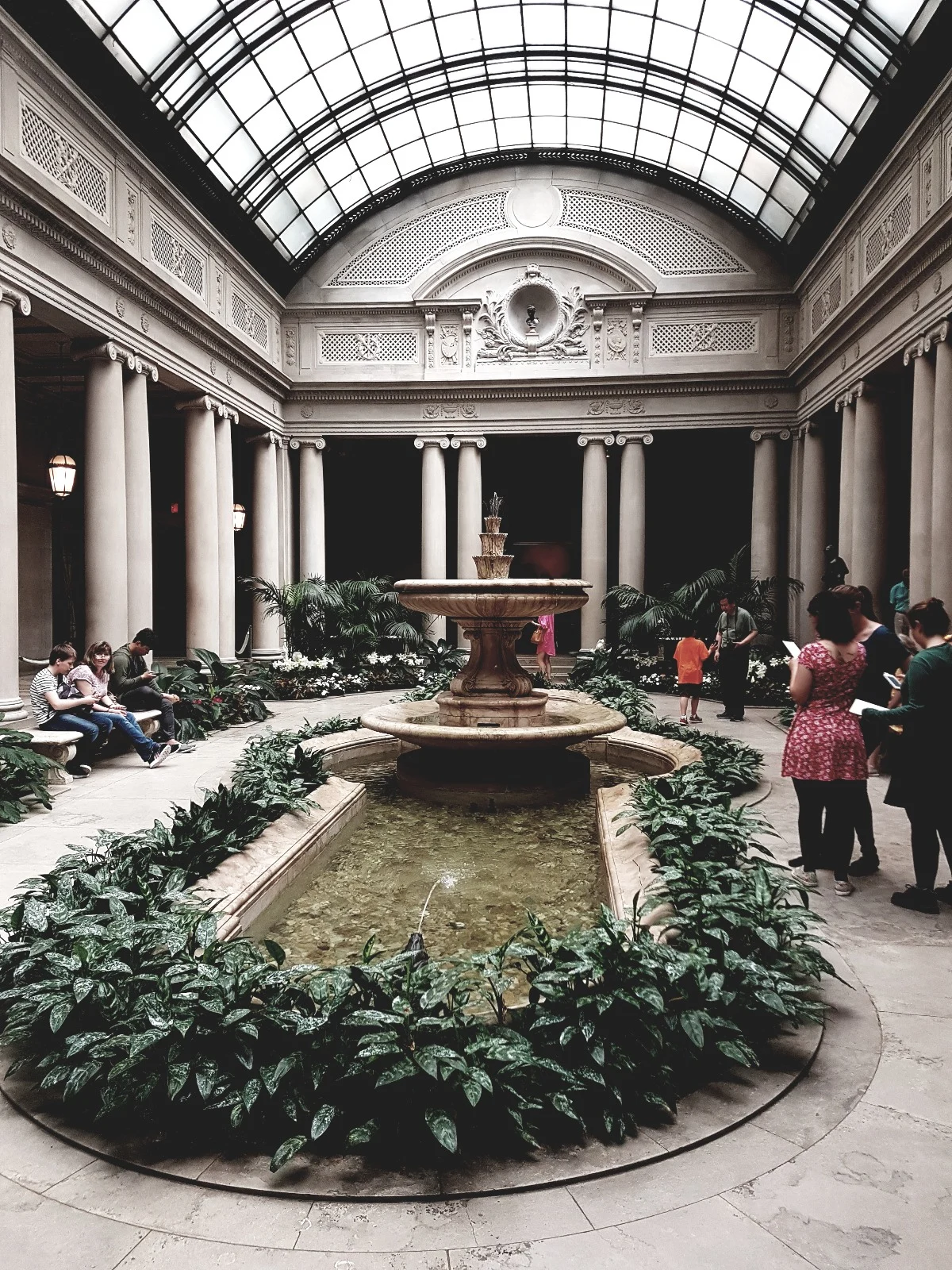
Photograph: Francesca.hyanna19 / Wikimedia Commons, taken April 19, 2017. CC BY-SA 4.0. Resized for display; photographic adaptations are shared under the same license.
Keep reading
Museums · Galas & Memberships
New York’s Top 10 Museums for Galas, Events and Membership Value
Compare ten New York museums for galas, member evenings and value, with official prices, charitable causes, booking links and a Miami/Palm Beach directory.
The Week Ahead · Gala Edit
The Week Ahead Gala Edit: New York & Miami, November 2–8
An early look at November 2–8 galas in New York and Miami, with official artwork, charity causes, ticket choices and the Young Lions booking deadline.
Art & Culture · New York
Three New York Exhibitions to Build an Autumn Around
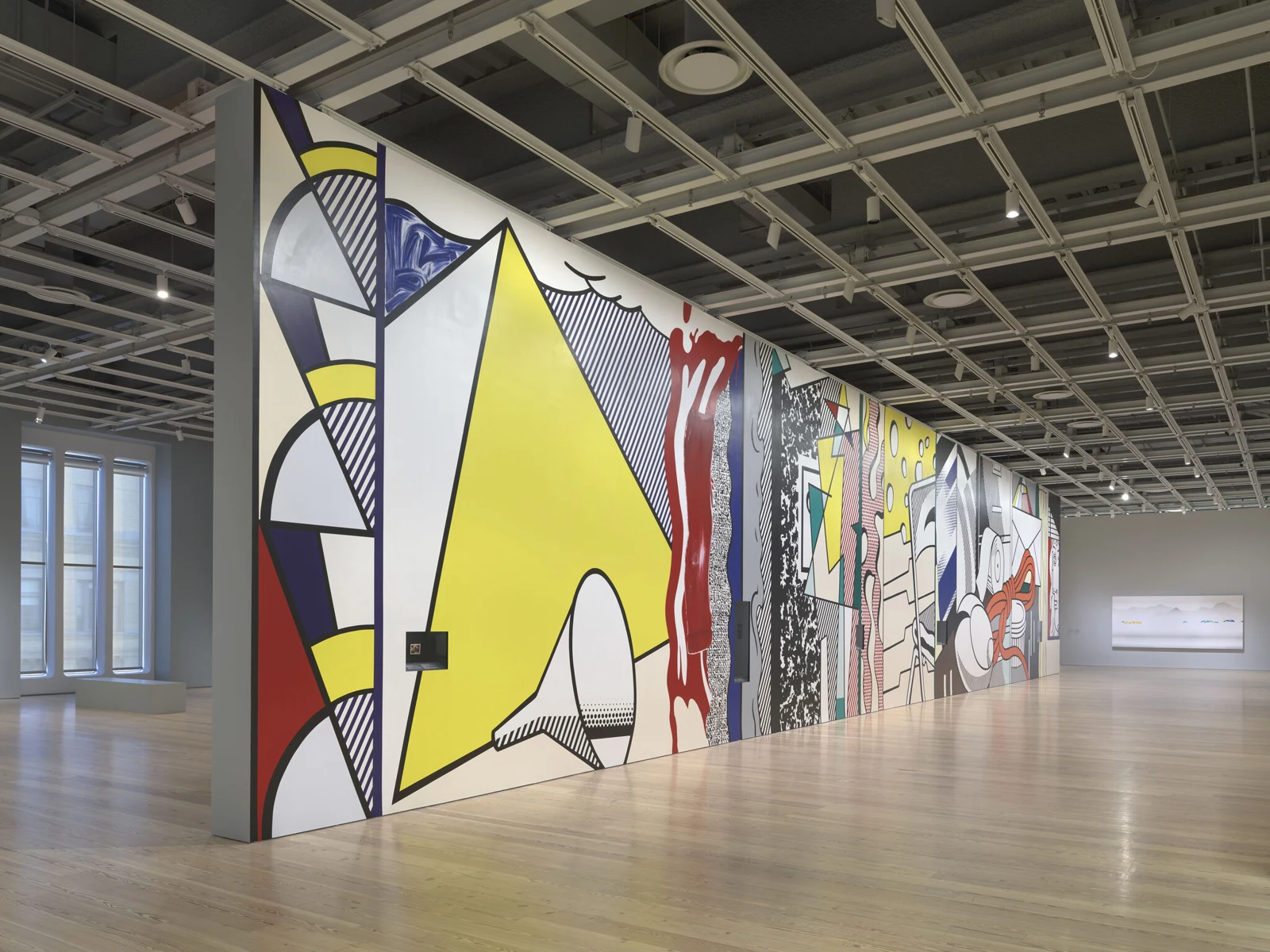
Rembrandt at the Morgan, Lichtenstein at the Whitney and Surrealist books at MoMA: three exhibitions, their curators and how to plan a visit.